

Anatomy of a Concert Production Day
What actually happens from early morning load-in through post-show strike — hour by hour, department by department. A concert that lasts two hours on stage may require 16–20 hours of production work the same day. Here is what that day looks like for the crew that makes it happen.
Early Morning: Truck Arrival & Dock Staging
The production day begins when equipment trucks arrive at the venue — typically between 6:00 and 8:00 AM for an evening show. Trucks are backed into the loading dock and unloaded in a specific order: staging and rigging equipment comes off first because it must be deployed before anything else can be installed. Cases are staged in designated areas on the venue floor, organized by department. The production manager confirms truck counts, verifies the equipment manifest, and briefs department heads on the day’s schedule. If the venue requires union labor, the local crew call starts at a designated time and crew are assigned to departments.
Morning: Rigging & Stage Build
Rigging is the first technical department to deploy. Riggers access the venue grid or arena steel to install rigging points for truss and chain motors. While rigging happens overhead, the staging crew builds the physical stage, risers, drum risers, and barricade on the floor. These two operations run simultaneously but in different vertical zones — no one works directly below active rigging operations. Once rigging points are set and motors are hung, truss is assembled on the floor and flown to trim height. This phase typically takes 2–4 hours depending on production scale.
Late Morning: Audio, Lighting & Video Installation
Once truss is at trim, audio, lighting, and video departments begin installing their equipment. Lighting fixtures are hung on truss from man-lifts or by ground crew before the truss is flown. Audio line arrays are assembled and flown from dedicated rigging points. LED video wall panels are built up from the floor or mounted on dedicated structures. Cable runs connect every element back to the respective control positions: front-of-house for audio and lighting consoles, video village for switching and camera control. This phase runs 3–5 hours and is the most labor-intensive part of the day.
Afternoon: System Checks, Focus & Tuning
With equipment installed, each department verifies their systems. Audio system techs power up the PA, verify signal flow, and begin system tuning with measurement microphones. The lighting team focuses fixtures — aiming each light to its intended position and verifying that all fixtures respond to console commands. Video engineers verify LED wall calibration, camera signals, and content playback. Backline equipment (instruments, amplifiers, drum kits) is set on stage according to the stage plot. This verification phase catches problems while there is still time to fix them.
Late Afternoon: Soundcheck & Production Rehearsal
Soundcheck is the artist’s time to hear the room, adjust their monitor mix, and run through key moments of the setlist. The FOH engineer dials in the house mix while the monitor engineer works with each performer on their stage sound. Lighting may run through cues during soundcheck if time permits. A production meeting follows soundcheck — all department heads, the production manager, and the stage manager review show flow, cue sequences, changeover procedures, and emergency protocols. After the meeting, the stage is cleared for final preset before doors.
Evening: Doors, Show & Real-Time Production
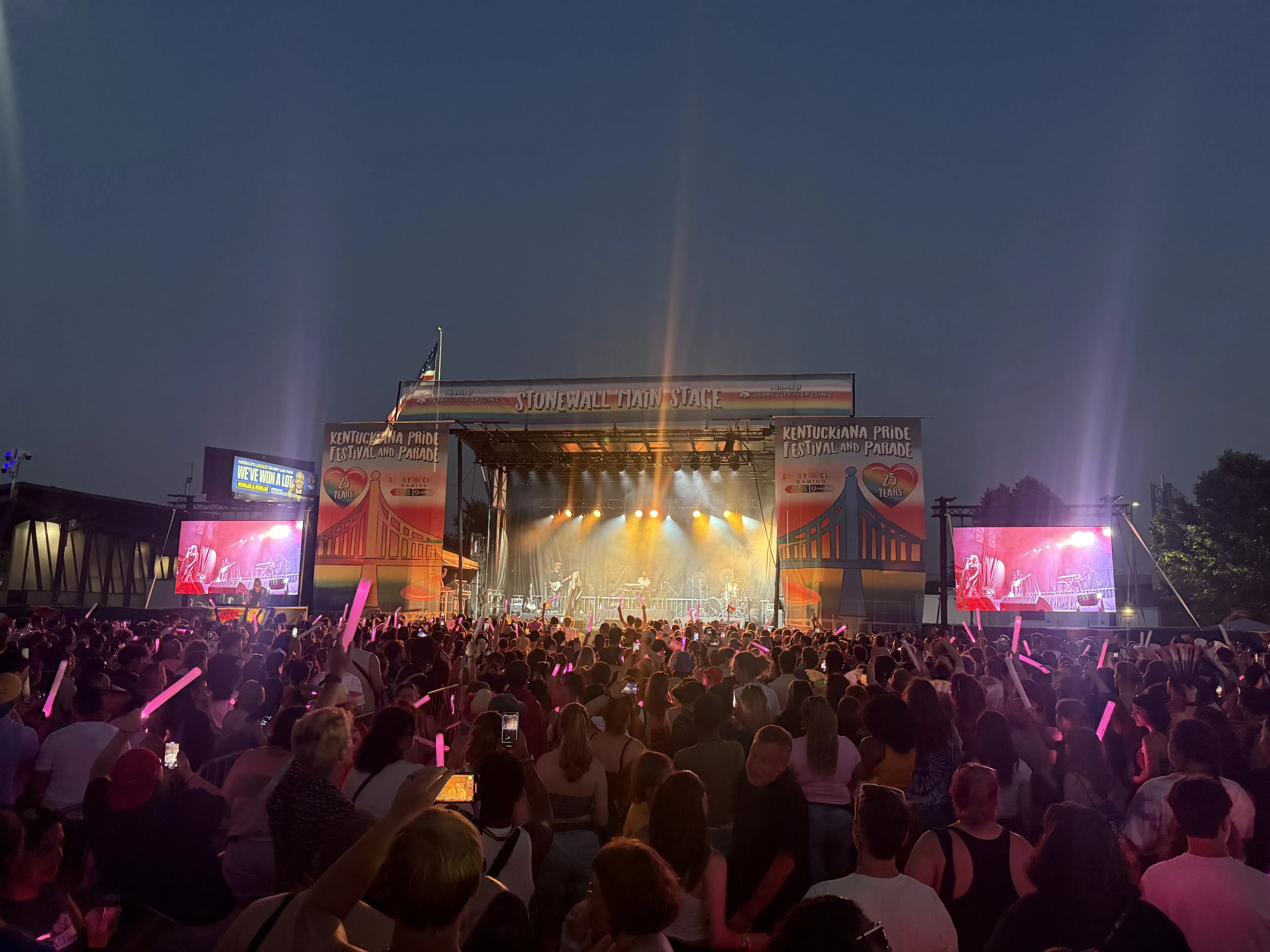
Doors open and the audience enters. Front-of-house positions are manned: FOH engineer, lighting operator, video director, and follow-spot operators. The stage manager calls the show from the stage wing, coordinating cues across departments via intercom. During the performance, the FOH engineer rides the mix in real time — adjusting levels, EQ, and effects in response to the room and the performance energy. The lighting operator triggers cues or busks the show. Camera operators capture IMAG shots called by the video director. Every department is active throughout the performance, making continuous adjustments.
Post-Show: Strike & Load-Out
When the last note ends, strike begins. The process reverses the load-in sequence: backline comes off stage first, then video, audio, and lighting fixtures are de-rigged. Truss is lowered and disassembled. Rigging hardware is recovered from the grid. Equipment is packed into road cases and loaded onto trucks in the reverse order of how it was unloaded. Strike can take 2–6 hours depending on production scale. On touring shows, the trucks depart immediately for the next city. On one-off events, equipment returns to the production company’s warehouse. The last crew members leave the venue in the early morning hours.
Need a Seamless Production Day?
Production management that turns a complex day into a seamless experience — from first truck to last case out.
Start PlanningProduction Day FAQ
Common questions about what happens on a concert production day.
Production scale, venue access windows, and show complexity are the primary factors. An arena concert with full production typically requires 16–20 hours because of the rigging, system deployment, tuning, and soundcheck phases that must happen sequentially. Club shows compress to 8–12 hours because there is less equipment and no rigging. Festival main stages can span multiple days when the infrastructure build is extensive. The advance period is where the production manager maps out timing for each phase based on these variables.
Related guides
Event Load-In Checklist
Pre-load checklist for smooth production deployment.
Production Timeline
Timeline milestones and critical deadlines for concert production.
Live Department Coordination
How audio, lighting, video, and staging coordinate in real-time.
Production Team Structure
How production departments coordinate as one integrated team.
Technical Production Checklist
Comprehensive technical checklist for concert production.
Looking for concert production in Atlanta?
Rocket Productions is Marietta-headquartered with 19 years of Atlanta concert and festival production experience (since 2007). Start with the commercial pages below, or request an Atlanta production quote.
- Atlanta Concert ProductionRental and production for Atlanta concerts — staging, line array audio, lighting, LED, and rigging.
- Concert & Festival ProductionService hub for concert and festival production at every scale, from club shows to arena tours.
- Audio ProductionLive sound engineering, FOH and monitor mixing, line array system design for concerts.
- Lighting ProductionConcert lighting design, programming, and show operation for Atlanta venues.