

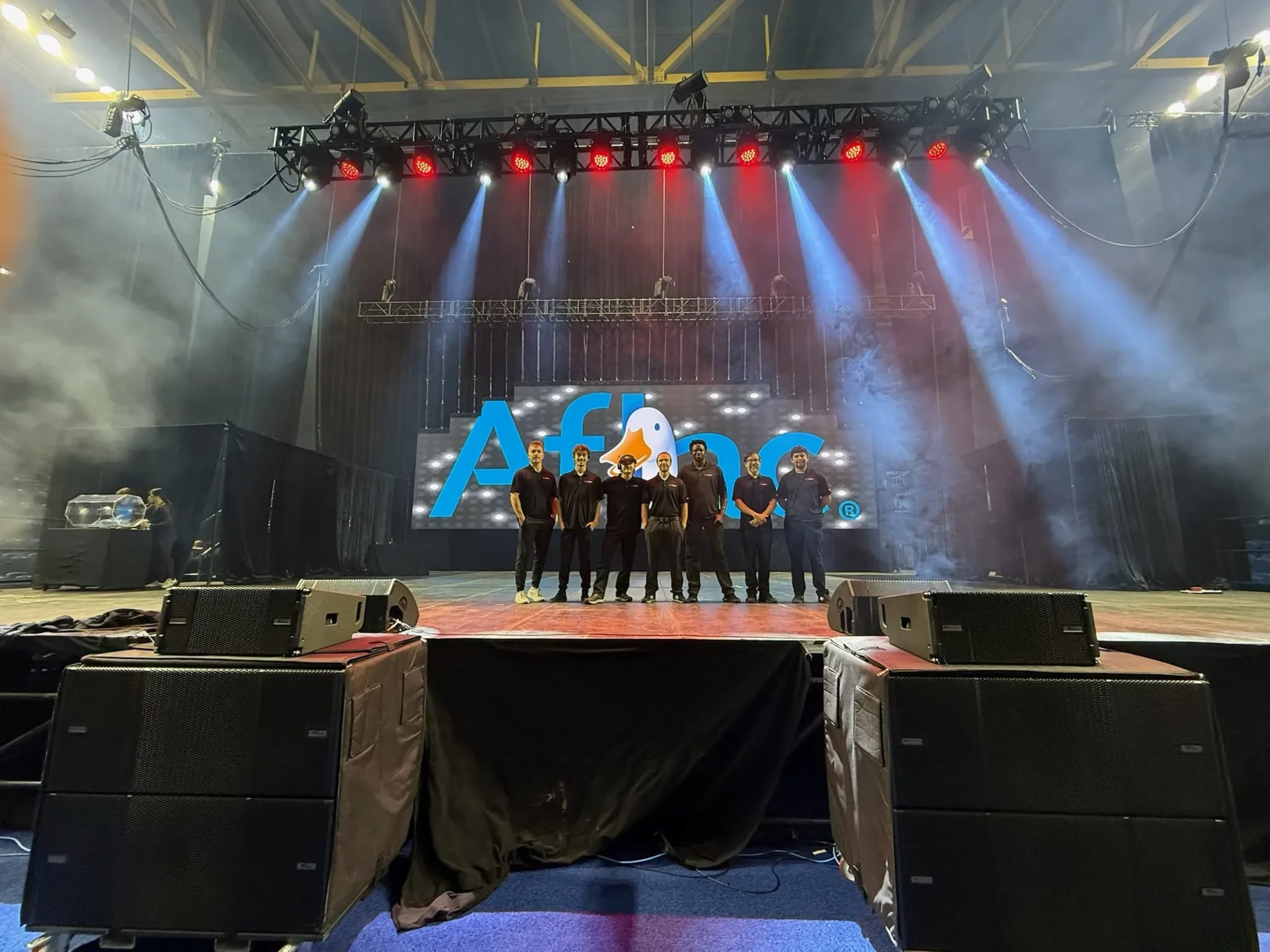
Event Load-In Checklist
A systematic checklist for concert and event load-in — from pre-arrival through doors. Load-in is where planning meets execution. A systematic approach ensures every department deploys efficiently and the production is ready before doors.
Pre-Arrival Preparation
Before trucks arrive, confirm dock access times and any venue restrictions (weight limits, height clearances, loading dock dimensions). Verify that local crew has been called for the correct time. Confirm that venue power is available or generators are on-site and running. Review the load-in schedule with all department heads. Identify staging areas for empty cases and equipment that won’t be deployed immediately. Pre-arrival preparation prevents the most common load-in delay: arriving at a dock that isn’t ready.
Dock Management & Unloading
Trucks should be unloaded in department order matching the build sequence: staging and rigging cases first, then audio, then lighting, then video and scenic. If dock space is limited, stage trucks in arrival order and swap as each truck is unloaded. Keep the dock clear — cases should move to staging areas, not accumulate at the dock. Assign dock management to a specific person who controls truck access, case flow, and communication between the dock and the stage.
Staging & Rigging First
The stage must be built and rigging points must be set before any other department can work overhead. Confirm stage deck is level and secure. Set all rigging points per the rigging plot. Verify motor positions and confirm load capacities. Raise truss to trim height. Complete the pre-hang rigging inspection: check every shackle, pin, and safety cable. No other work happens overhead until rigging is inspected and approved.
Audio, Lighting & Video Deployment
Once rigging is approved, departments deploy simultaneously: audio hangs and stacks PA, connects amplifiers, and runs snakes. Lighting hangs fixtures, connects power and data, and begins programming. Video installs LED panels or projection equipment and routes signal. Each department works from its own section of the rigging plot. Department heads manage their crew and communicate progress to the production manager.
System Checks & Line Checks
After physical deployment, each system is verified independently. Audio: verify every input and output, check processor routing, confirm amplifier assignments. Lighting: verify every fixture responds to control, check color and position. Video: verify every panel is functioning, confirm signal routing and content playback. Communications: verify all intercom channels and wireless systems. System checks catch problems that are easy to fix before soundcheck but disruptive to troubleshoot during the show.
Soundcheck, Production Meeting & Doors
Soundcheck confirms the audio mix and monitor world with the actual performers. After soundcheck, a production meeting aligns all departments on show flow, cue sequences, emergency procedures, and timing. Confirm front-of-house operations: ticketing, security, merchandise, and concessions are ready. Walk the venue from the audience perspective. When everything checks out, doors open. A well-executed load-in means the production team is confident — not scrambling — when the audience arrives.
Need Load-In Support?
Professional load-in management that gets the production ready before doors — every time.
Load-In FAQ
Common questions about event load-in operations.
How long does a typical concert load-in take?
What is the most common load-in problem?
In what order should departments deploy?
What should happen during a production meeting?
How do you manage load-in safety?
What should be verified during a pre-load-in site walkthrough?
How do you coordinate load-in when multiple vendors are involved?
Looking for concert production in Atlanta?
Rocket Productions is Marietta-headquartered with 19 years of Atlanta concert and festival production experience (since 2007). Start with the commercial pages below, or request an Atlanta production quote.
- Atlanta Concert ProductionRental and production for Atlanta concerts — staging, line array audio, lighting, LED, and rigging.
- Concert & Festival ProductionService hub for concert and festival production at every scale, from club shows to arena tours.
- Audio ProductionLive sound engineering, FOH and monitor mixing, line array system design for concerts.
- Lighting ProductionConcert lighting design, programming, and show operation for Atlanta venues.