

Concert Rigging & Safety
How professional rigging practices protect performers, crew, and audiences at every concert and festival. Safety is non-negotiable — these are the practices that separate responsible production from risk.
Rigging Engineering & Load Calculations
Every rigged element has a weight. Lighting trusses, line arrays, LED walls, and scenic elements all impose point loads on the structure supporting them. Rigging engineers calculate these loads, factor safety margins (typically 5:1 for overhead entertainment rigging), and verify that the supporting structure — whether venue steel or ground support towers — has adequate capacity. This engineering process happens before any motor leaves the ground. Load calculations account for static weight, dynamic forces during movement, and the cumulative effect of multiple hang points sharing a common structure.
Ground Support vs. Venue Rigging
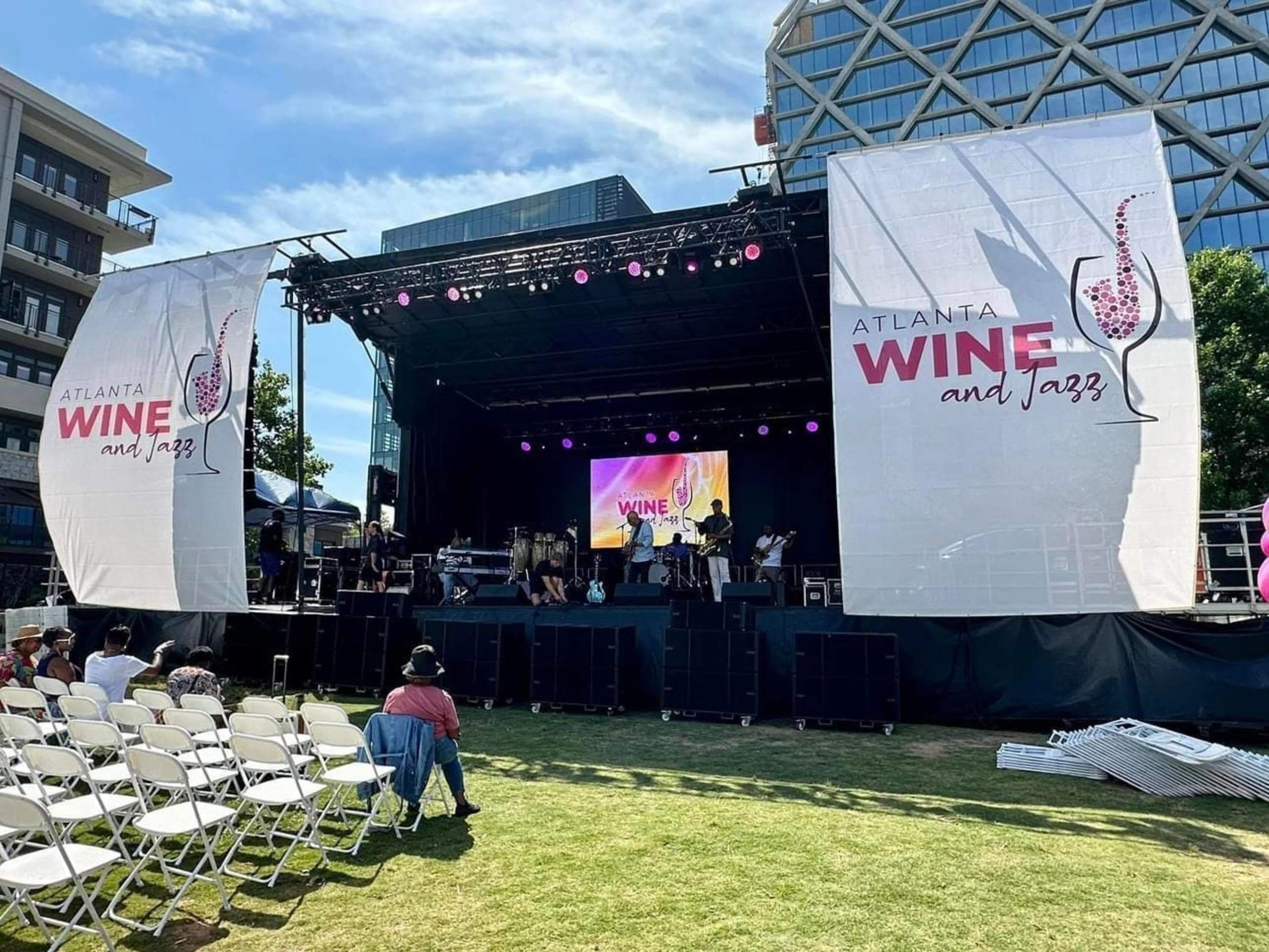
When venues have structural steel with rated rigging points, production hangs from the building. Arena catwalks, theater grids, and permanent rigging infrastructure are designed for this. When they don’t — outdoor festivals, tented events, parking lots, parks — ground support towers carry the load. Ground support systems are free-standing structures that provide overhead rigging capacity where none exists. Each approach has different engineering requirements: venue rigging requires point load verification against building specs; ground support requires wind loading calculations, base plate sizing, and ballast engineering.
Safety Inspection Protocols
Pre-show rigging inspections verify every connection point, shackle, sling, and motor before loads go overhead. Pins are checked for proper seating. Safety cables are confirmed on every fixture. Motor chain is inspected for wear. After loads are raised, a post-hang inspection confirms actual loads match calculated loads and that nothing has shifted during the lift. This inspection process is non-negotiable on every production. It exists to catch the problems that would be catastrophic if missed — a missed safety, a cross-loaded shackle, a motor at capacity.
Chain Motor & Hoist Operations
Chain motors lift lighting trusses, audio arrays, and video walls into position. Professional motor operation includes load monitoring (verifying each motor’s load stays within rated capacity), synchronized lifts (multiple motors raising a single truss must move at the same rate), and emergency stop protocols. Motor operators must understand the equipment’s rated capacity, duty cycle, and safe operating procedures. Overloading a motor or operating without proper training creates overhead hazards that put everyone beneath at risk.
Weather & Environmental Risk Management
Outdoor rigging faces environmental forces that indoor venues don’t. Wind loading adds lateral force to structures designed primarily for vertical loads. Rain adds weight to fabric scrims and softgoods. Temperature changes cause steel to expand and contract. Professional outdoor rigging accounts for these forces in the engineering phase. On show day, wind speed monitoring determines when rigging must be adjusted — flying points lowered, softgoods struck, or in extreme cases, overhead elements brought to the deck. Weather protocols with defined action thresholds are established before the event.
Compliance & Industry Standards
Professional entertainment rigging follows established standards: OSHA regulations for workplace safety, ANSI E1.2 for entertainment rigging practice, and local jurisdiction requirements for temporary structures and amusement rides (which sometimes apply to concert rigging). These standards define minimum safety factors, inspection requirements, documentation practices, and personnel qualifications. Compliance isn’t optional — it’s the baseline for responsible production. Venues, insurance carriers, and local authorities may impose additional requirements beyond national standards.
Documentation & Record-Keeping
Every rigging operation generates documentation. Rigging plots show hang point locations, load weights, and hardware specifications. Weight sheets record the calculated and actual load at each point. Daily inspection logs confirm that pre-show and post-hang checks were completed. As-built drawings document the final installed configuration if it differs from the plan. This documentation serves multiple purposes: it provides a reference for the current show, creates a record for future productions at the same venue, and establishes a paper trail for insurance and liability purposes. Proper documentation is not administrative overhead — it’s a safety practice.
Planning Rigging for Your Event?
Engineering, inspection, and compliance on every production we support.
Rigging & Safety FAQ
Common questions about concert rigging safety and compliance.
What safety certifications should a rigging crew have?
How do you determine if a venue can support the rigging load?
What happens if wind speeds exceed safe limits during an outdoor show?
What is the difference between ground support and venue rigging?
How are rigging loads calculated for a concert?
What documentation is required for concert rigging?
What inspection standards apply to entertainment rigging hardware?
What insurance requirements apply to entertainment rigging?
Looking for concert production in Atlanta?
Rocket Productions is Marietta-headquartered with 19 years of Atlanta concert and festival production experience (since 2007). Start with the commercial pages below, or request an Atlanta production quote.
- Atlanta Concert ProductionRental and production for Atlanta concerts — staging, line array audio, lighting, LED, and rigging.
- Concert & Festival ProductionService hub for concert and festival production at every scale, from club shows to arena tours.
- Audio ProductionLive sound engineering, FOH and monitor mixing, line array system design for concerts.
- Lighting ProductionConcert lighting design, programming, and show operation for Atlanta venues.