

Case Study
Hybrid Corporate Event Production
Live Venue + Broadcast-Quality Streaming with LED Video, Camera Systems & Encoding
Client & Event
Enterprise organizations increasingly require events that deliver equivalent experiences to both in-room and remote audiences. Hybrid events are not simply live events with a camera pointed at the stage — they are dual-audience productions where the streaming experience must be intentionally designed, not passively captured. Organizations that treat the remote audience as secondary risk losing engagement, credibility, and the investment in reaching distributed teams.
Multi-session hybrid corporate event combining live keynote presentations, panel discussions, and breakout workshops with broadcast-quality streaming to remote attendees across multiple locations. The production must serve two distinct audiences simultaneously — creating an engaging in-room experience while delivering a broadcast-quality viewing experience for remote participants who expect the production values of professional webcasts.
Full hybrid event production including main stage LED video wall, theatrical lighting optimized for both live audience and camera capture, speech-optimized PA system, multi-camera switching for streaming, encoding infrastructure with redundant paths, remote audience engagement tools, confidence monitors, and breakout room AV with independent streaming capability.

Client & Event
Client Objectives
For organizations with distributed workforces, hybrid events are not optional enhancements — they are operational necessities. The production must ensure that remote attendees receive an experience equivalent to in-room participants, because the content, engagement, and organizational alignment outcomes the event is designed to achieve depend on both audiences being equally served. A hybrid event that treats remote participants as passive viewers defeats its own purpose.

Client & Event
Dual-Audience Production Design
Hybrid event production introduces a fundamental design tension: the in-room experience and the streaming experience have different requirements that can conflict if not addressed deliberately. Lighting that looks elegant in person may create harsh shadows on camera. Audio that fills a room beautifully may sound hollow in a broadcast mix. Stage design that impresses a live audience may create framing problems for streaming cameras. The production must resolve these tensions without compromising either audience's experience — delivering a premium in-room event AND a broadcast-quality stream from the same infrastructure.
Planning a similar corporate event?
Strategic Production Approach
Most hybrid events fail because streaming is treated as an add-on to a live event design. Our approach inverts this — designing for the camera first, then refining for the room. This camera-first methodology ensures that the streaming audience receives a deliberately designed experience rather than a passively captured one. Lighting color temperatures are selected for camera color science. Stage design is evaluated for broadcast framing before live sight lines. Audio is mixed for broadcast clarity before room fill. The result is a production where both audiences receive an intentionally designed experience.
Broadcast-Quality Hybrid Production
Rocket Productions engineered a hybrid production infrastructure designed from the ground up to serve both audiences equally. Rather than adding streaming to a live event design, the approach started with dual-audience requirements and worked backward to a unified production system that delivers premium quality in both formats. Lighting was designed for camera exposure first and then refined for in-room aesthetics. Audio was mixed for broadcast first and then tuned for room fill. The result is a production that treats the remote audience as a primary stakeholder, not an afterthought.
Technical Specifications
- LED video wall with content formatting optimized for both in-room viewing distance and streaming resolution requirements
- Theatrical lighting design using camera-friendly color temperatures with fill ratios that eliminate harsh shadows on broadcast cameras
- Dual-path audio system with independent broadcast mix and room fill mix from the same source microphones
- Multi-camera switching system with dedicated camera operator and vision mixer for professional broadcast-quality streaming output
- Redundant encoding infrastructure with primary and backup streaming paths and real-time quality monitoring
- Remote audience engagement platform integrated with production for moderated Q&A and interactive polling during live sessions
- Breakout room streaming packages with independent cameras, encoding, and audio feeds for concurrent session coverage


Client & Event
Production on This Show
Every service on this project was owned, operated, and delivered by Rocket Productions.


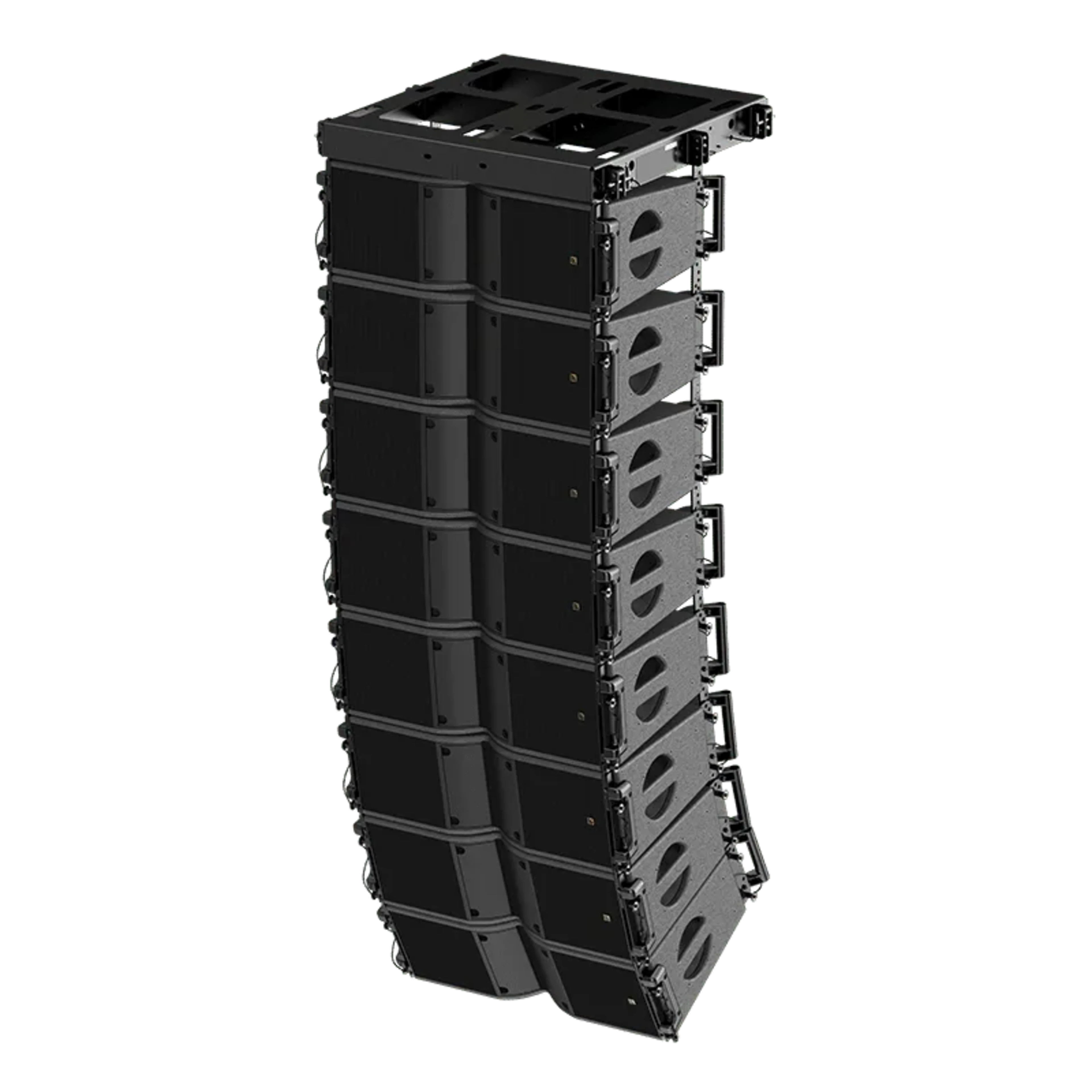

Hybrid Event Logistics
Need these services for your event?
Venue & Logistics Considerations
Hybrid event venues must meet requirements for both live production and broadcast infrastructure simultaneously. Beyond standard production considerations like power, rigging, and acoustics, hybrid events require dedicated internet bandwidth, camera positioning that doesn't obstruct audience sight lines, a separate broadcast mix position, and cable runs that connect the broadcast infrastructure to the streaming encoder without interference. Venue internet infrastructure must be verified independently — relying on venue Wi-Fi for streaming is a reliability risk that experienced hybrid production teams eliminate through dedicated connections.
Live Event Execution
Hybrid event execution requires parallel show management for two audiences simultaneously. The front-of-house team manages the in-room experience while the broadcast team manages the streaming output — both operating from the same show flow but making audience-specific decisions in real time. Camera switching follows the content, not just the speaker. Audio levels are optimized independently for room and broadcast. Remote engagement is integrated into live Q&A segments with moderation that prevents disruption while ensuring remote voices are heard.
Seamless Dual-Audience Experience
The hybrid event delivered equivalent production quality to both in-room and remote audiences across two full production days. The streaming output maintained broadcast-quality visual and audio standards throughout all sessions, with remote participants experiencing professional camera switching, clean audio, and consistent quality. The in-room audience received a premium live event experience with no compromises from the hybrid infrastructure. Remote engagement tools enabled meaningful interaction between both audiences during Q&A and panel sessions.
Seamless Dual-Audience Experience
Production Insights
Camera-first lighting design produces better results for both audiences — lighting that works on camera almost always works in person, but the reverse is not true
Dedicated internet connectivity for streaming is non-negotiable — venue Wi-Fi should never be the primary streaming path regardless of venue claims about bandwidth availability
The broadcast mix position must be separate from front-of-house — optimizing audio for two different delivery formats from a single mix position produces suboptimal results for both
Remote audience engagement tools should be tested with actual end-user devices and network conditions, not just production hardware — what works on a hardwired laptop may fail on a participant's phone
Streaming redundancy should include automatic failover that switches to the backup encoder without manual intervention — the time to discover a failover procedure is not during a live keynote
Production Gallery
Every detail matters. From load-in to showtime.
Client & Event
Client & Event
Dual-Audience Production Design
Broadcast-Quality Hybrid Production
Seamless Dual-Audience Experience
More Case Studies

Aflac Corporate Conference
Staging · Lighting · LED Video · Audio

SASE Summit 2023
Staging · Lighting · LED Video · Audio

Atlanta Anime Festival
Staging · Lighting · LED Video · Audio

Atlanta United Block Party
Staging · Lighting · LED Video · Audio

Celebrez En Rose Tour
Staging · Lighting · LED Video · Audio

Kentuckiana Pride Festival
Staging · Lighting · LED Video · Audio
Ready to Elevate
Your Next Event Deserves World-Class Production
Get a detailed proposal within 48 hours. Our production experts will assess your requirements and deliver a comprehensive plan with transparent pricing—no surprises, no hidden fees. Free consultation included.
Trusted by 500+ clients nationwide • Same-day response guaranteed • 25+ years of excellence